What working with underserved communities taught me about storytelling, dignity, and the responsibility of being heard.
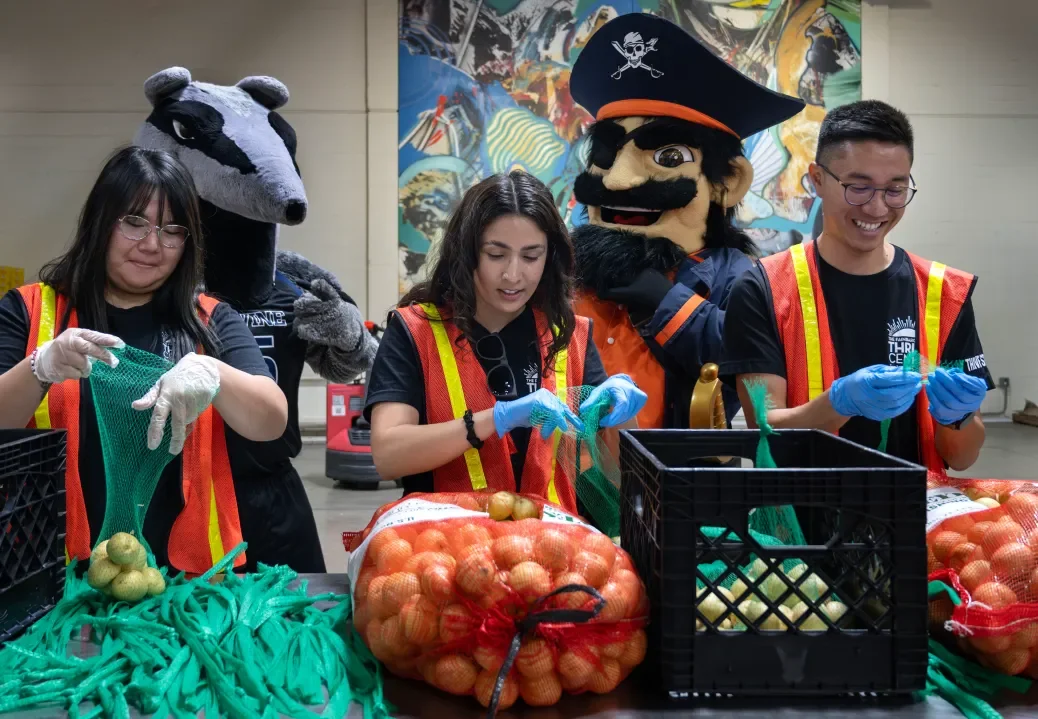
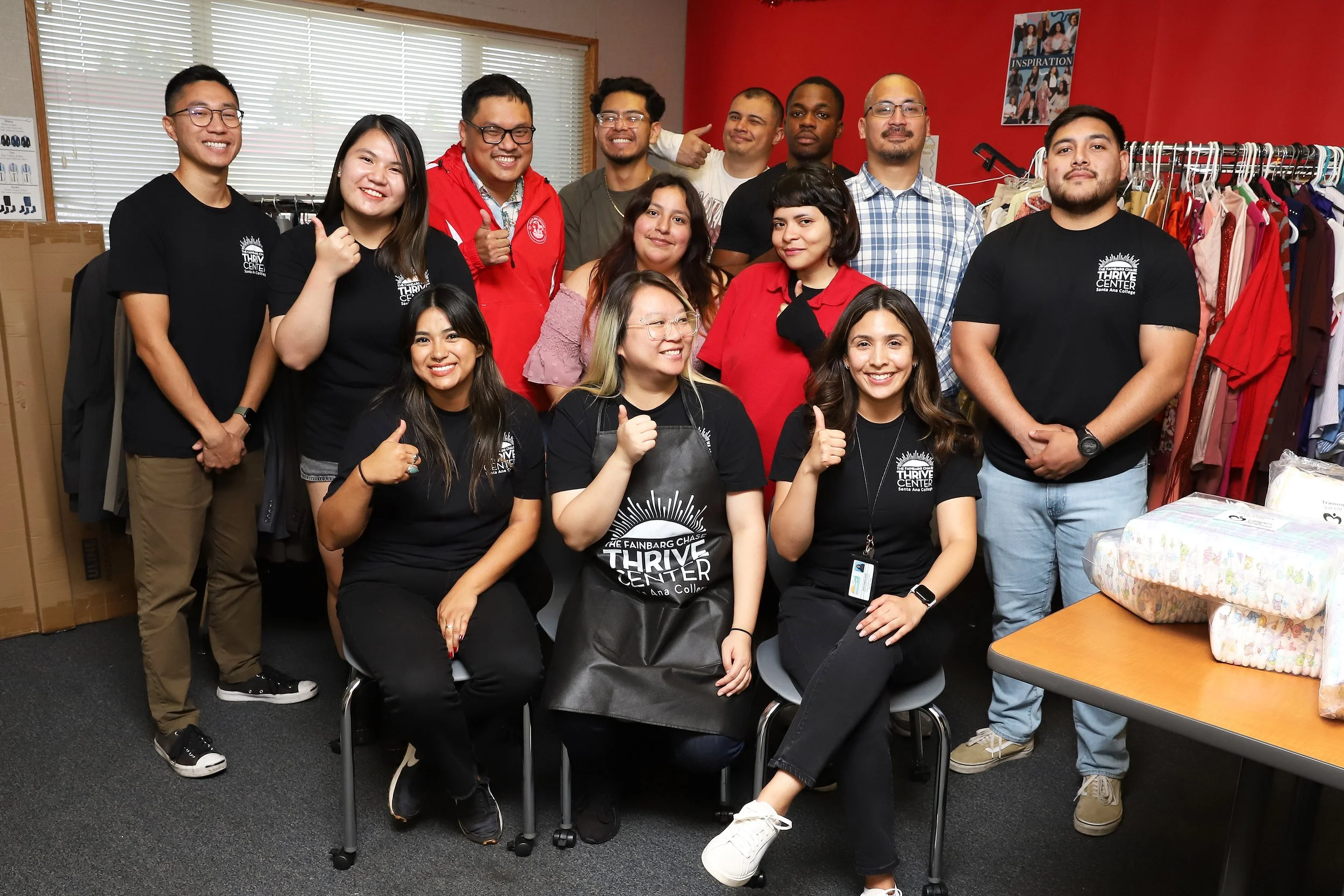
When I worked at the Fainbarg Chase Thrive Center's food pantry at Santa Ana College, I spent much of my time welcoming students who came for basic-needs assistance. I saw how much those resources could mean to someone, but I also learned that people shouldn't have to explain their personal struggles to deserve help.
As a content creator for the same program, I designed graphics and promotional materials to make students more aware of the resources available to them. At the time, I didn't think much about how different these two responsibilities were. One was about helping people access support, while the other was about encouraging them to seek it. Looking back, both taught me something important: behind every message about a community is a real person whose life is much bigger than the situation we're trying to communicate.
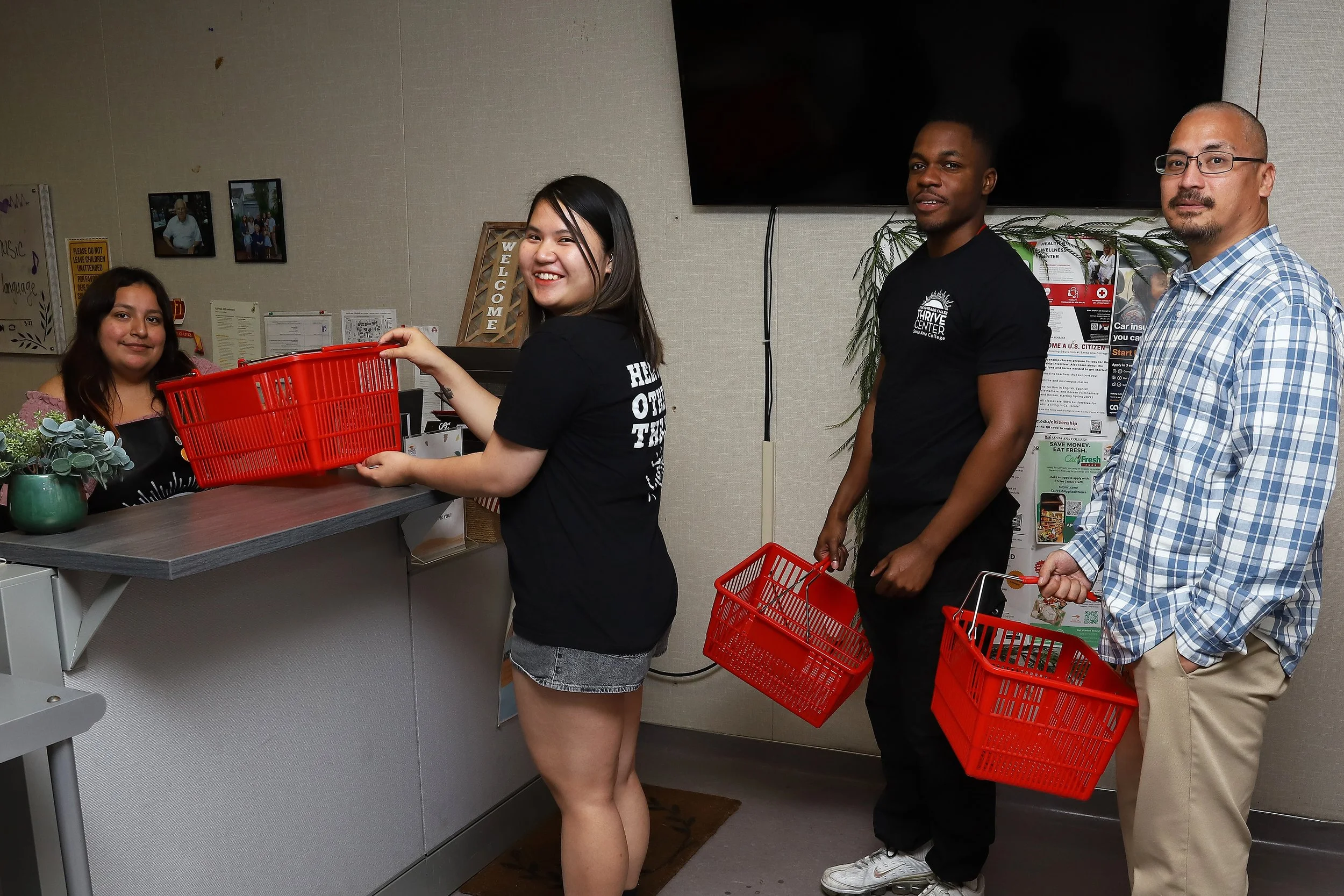
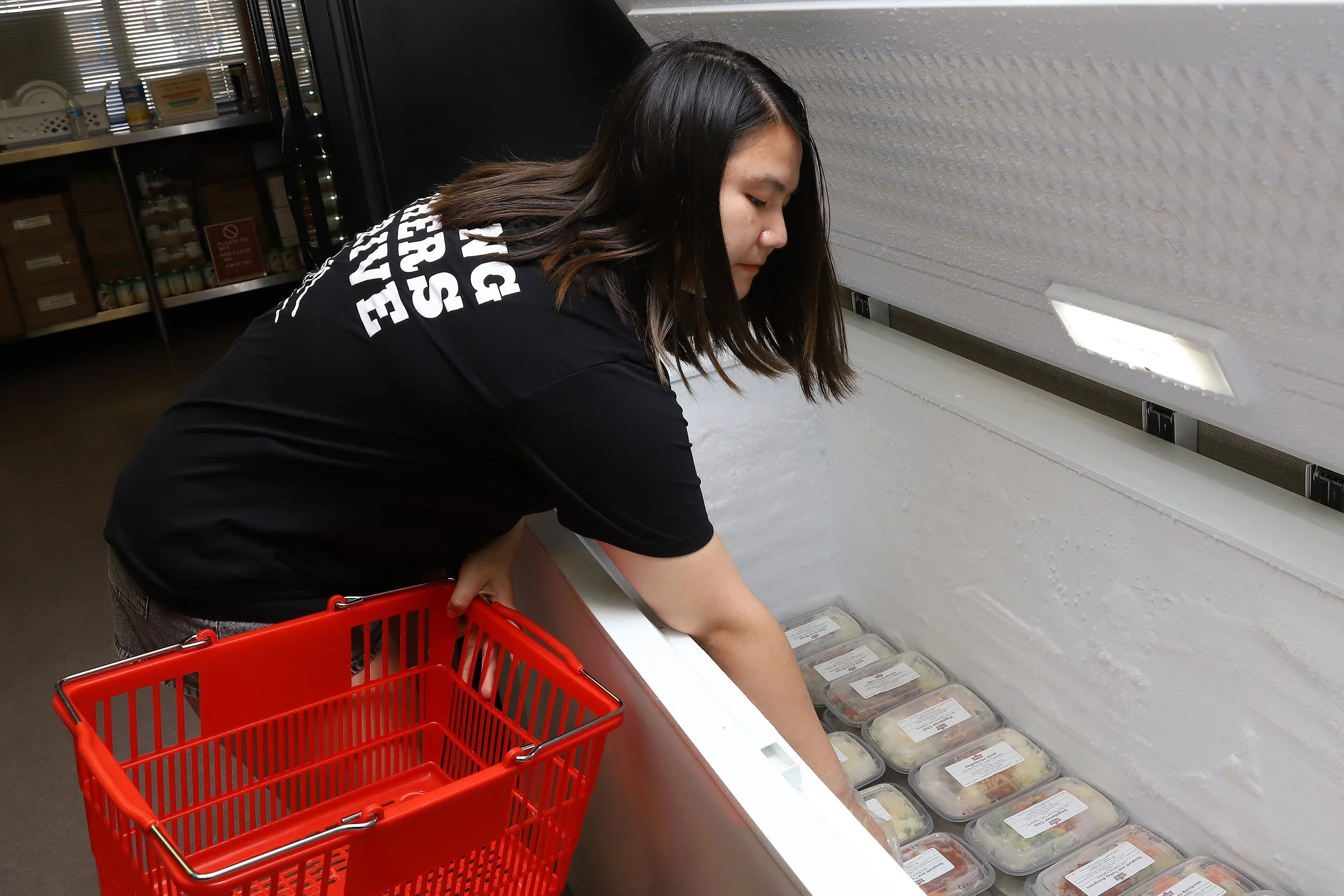
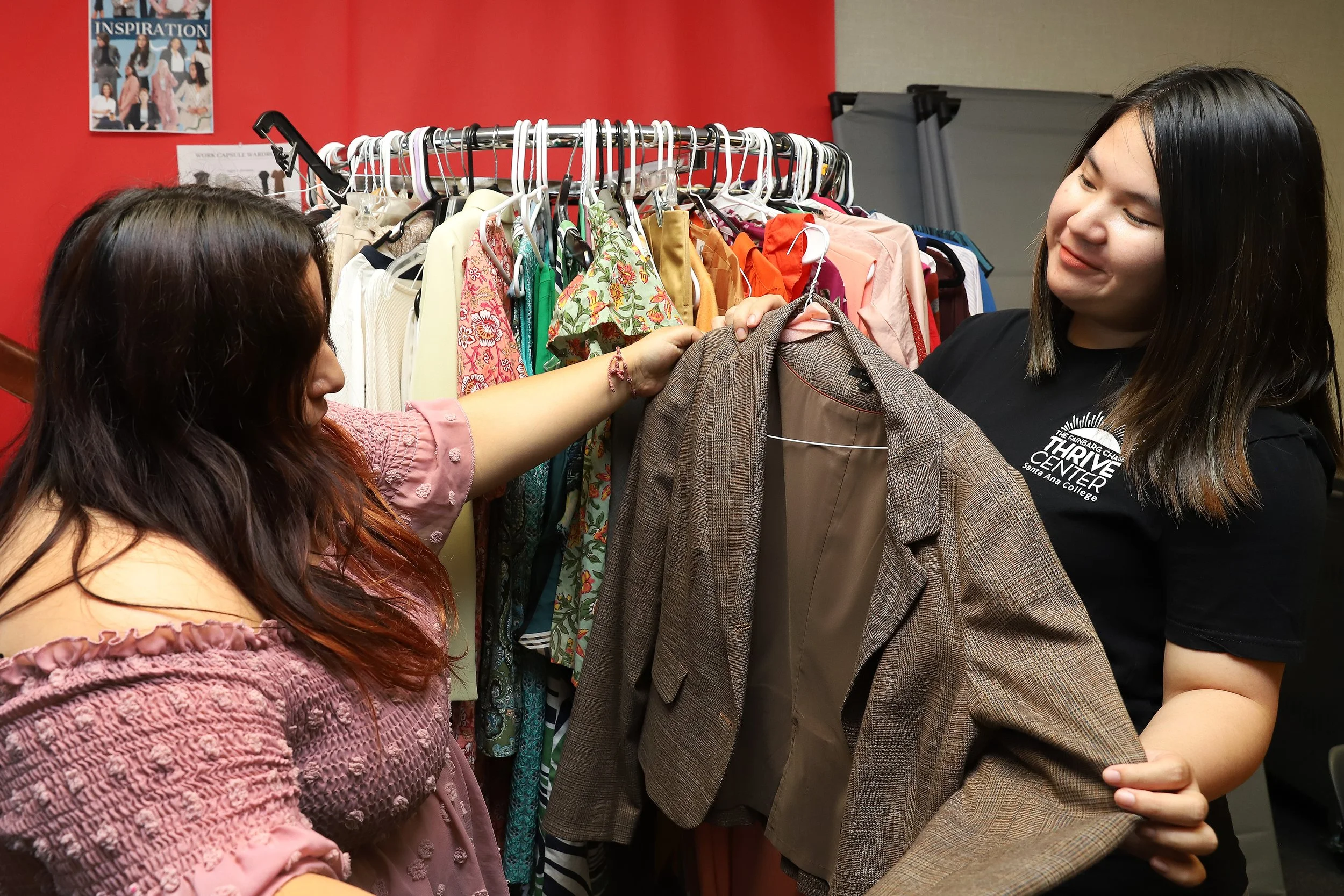

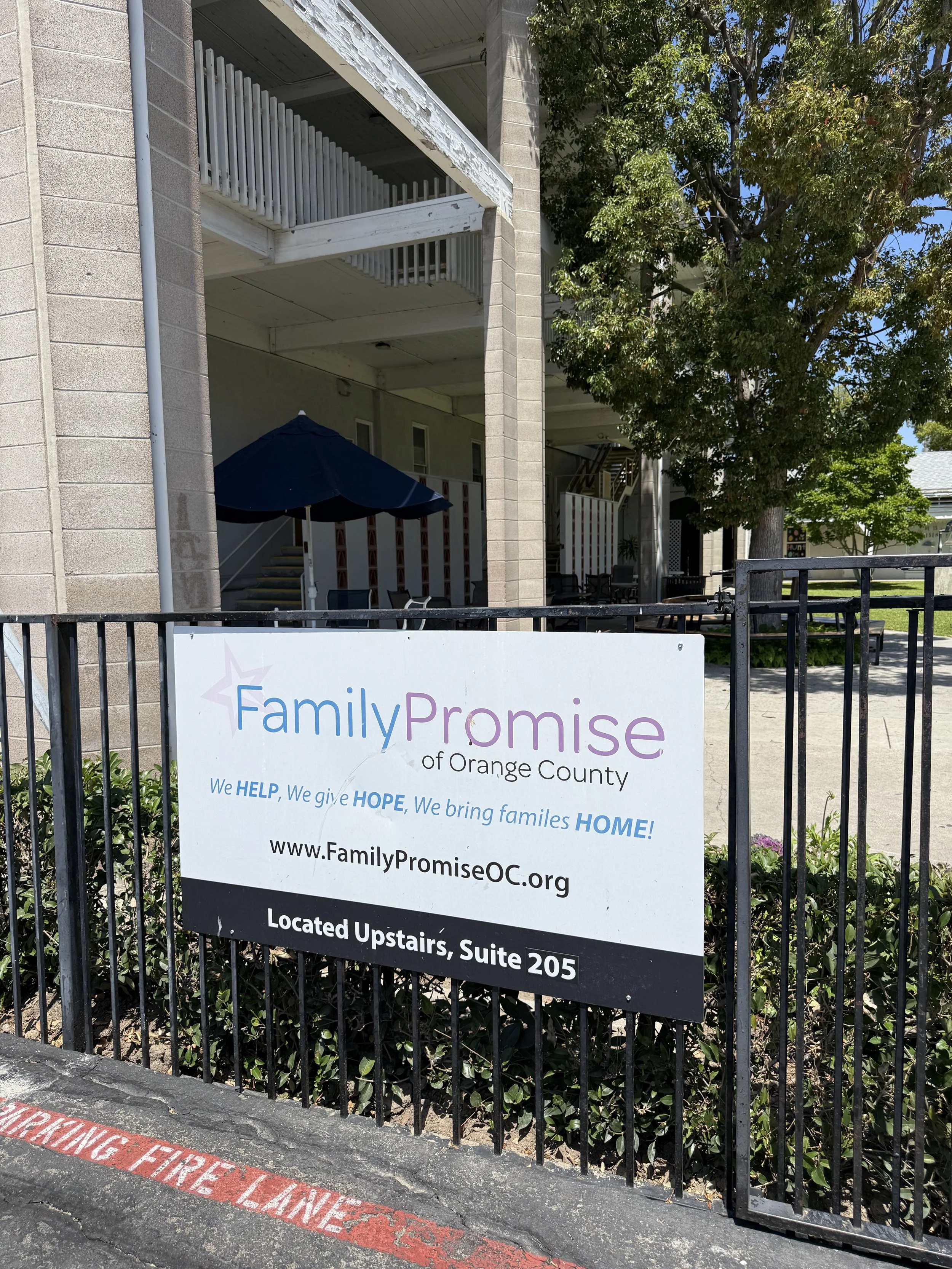
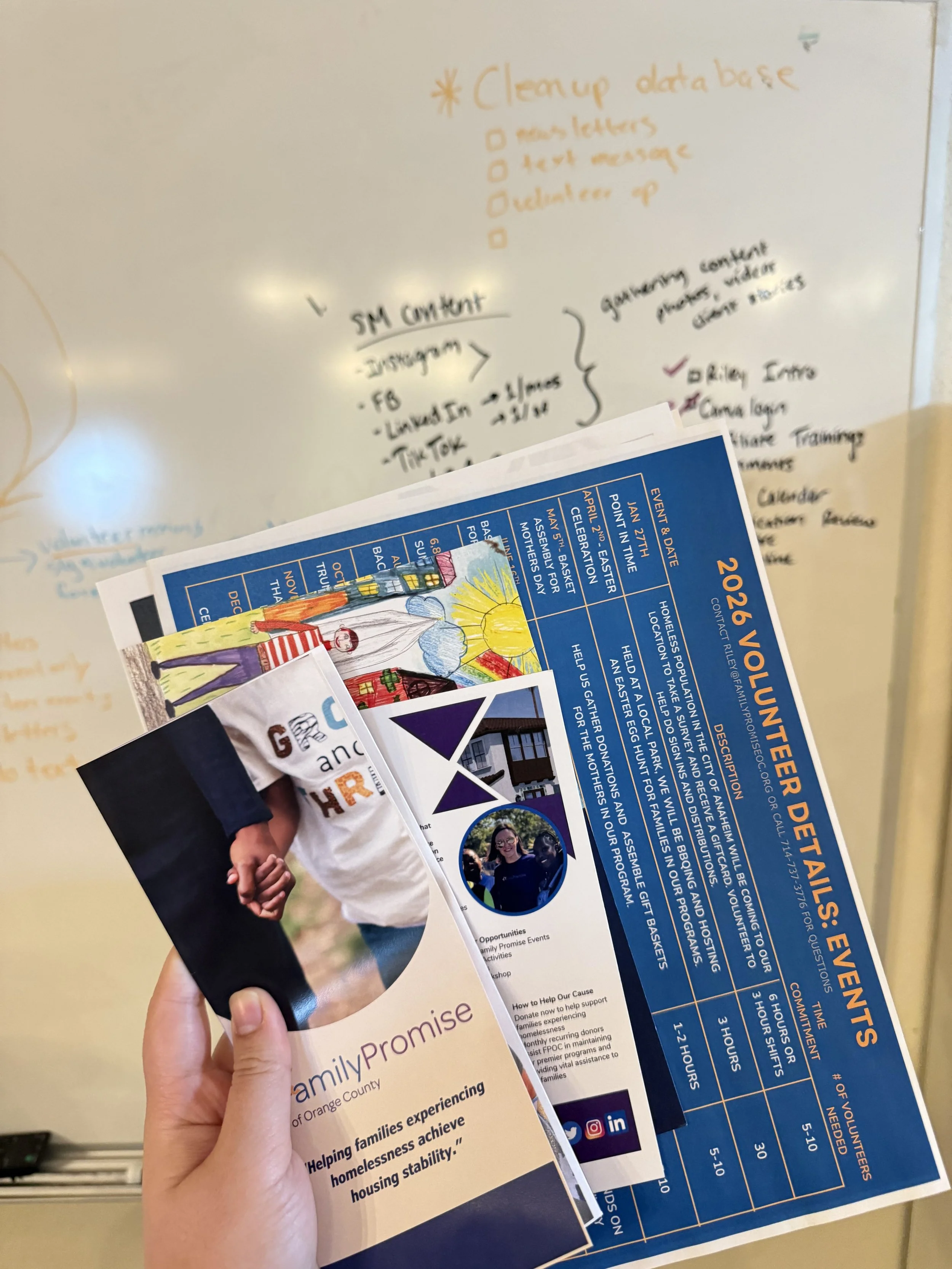
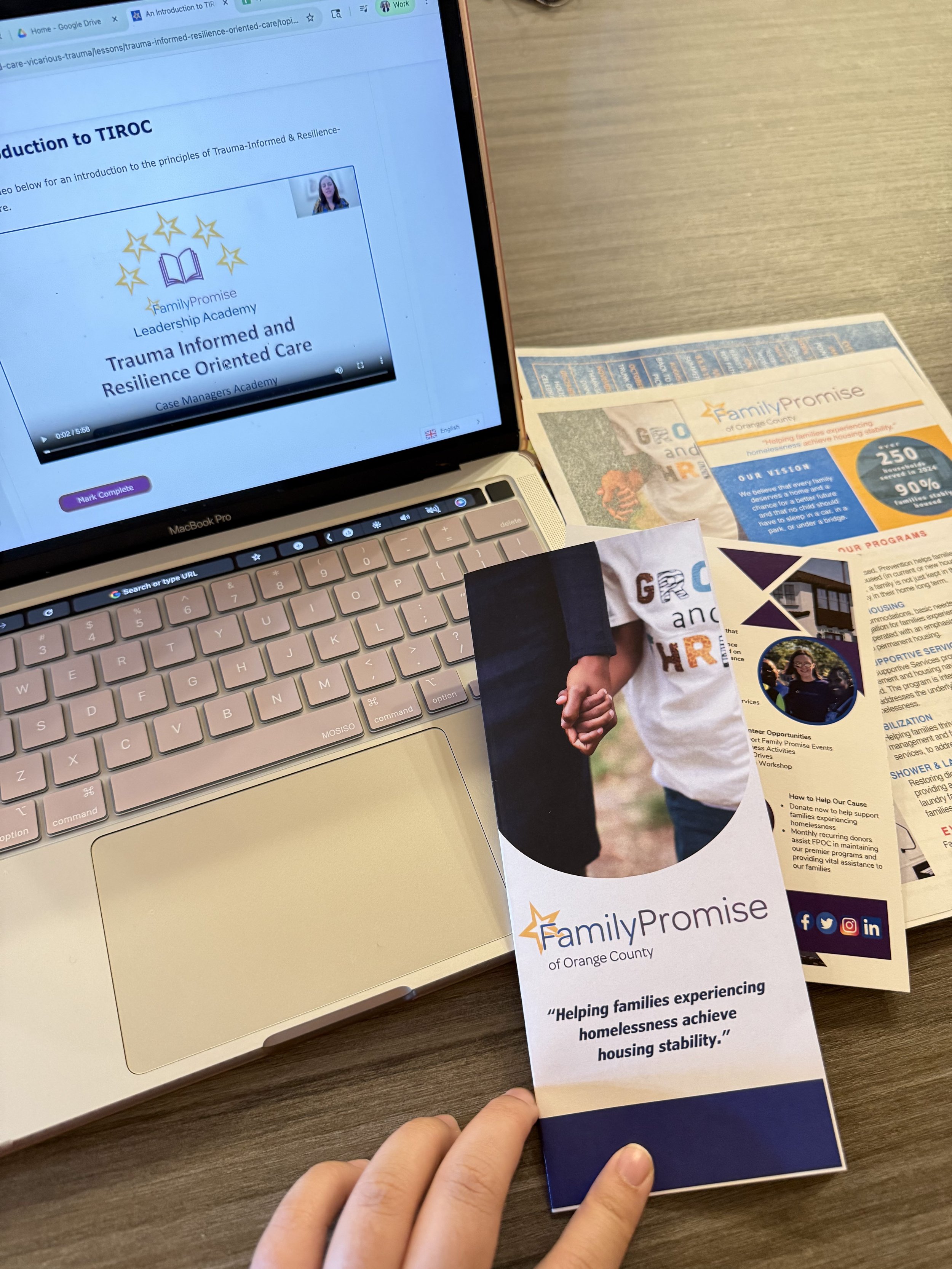
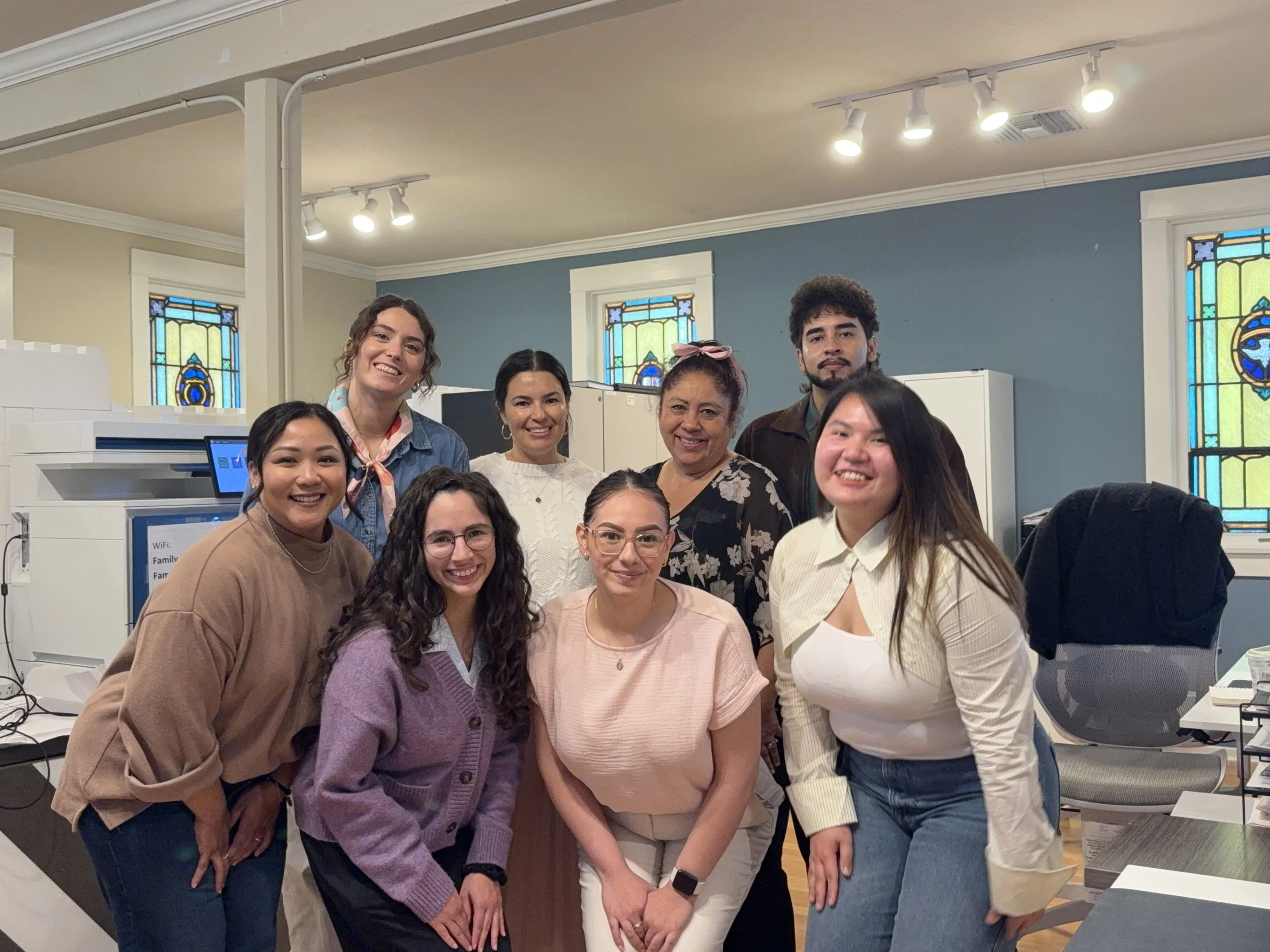
That understanding became even more meaningful when I interned at Family Promise of Orange County, a nonprofit supporting families facing homelessness. This time, instead of serving people directly, I was helping communicate an organization's mission to the public. I created graphics and Reels for social media, including content supporting the Help Them Home fundraising campaign. The challenge was different. How could we make people understand the urgency of the cause and feel inspired to help without making someone's difficult circumstances the center of attention?
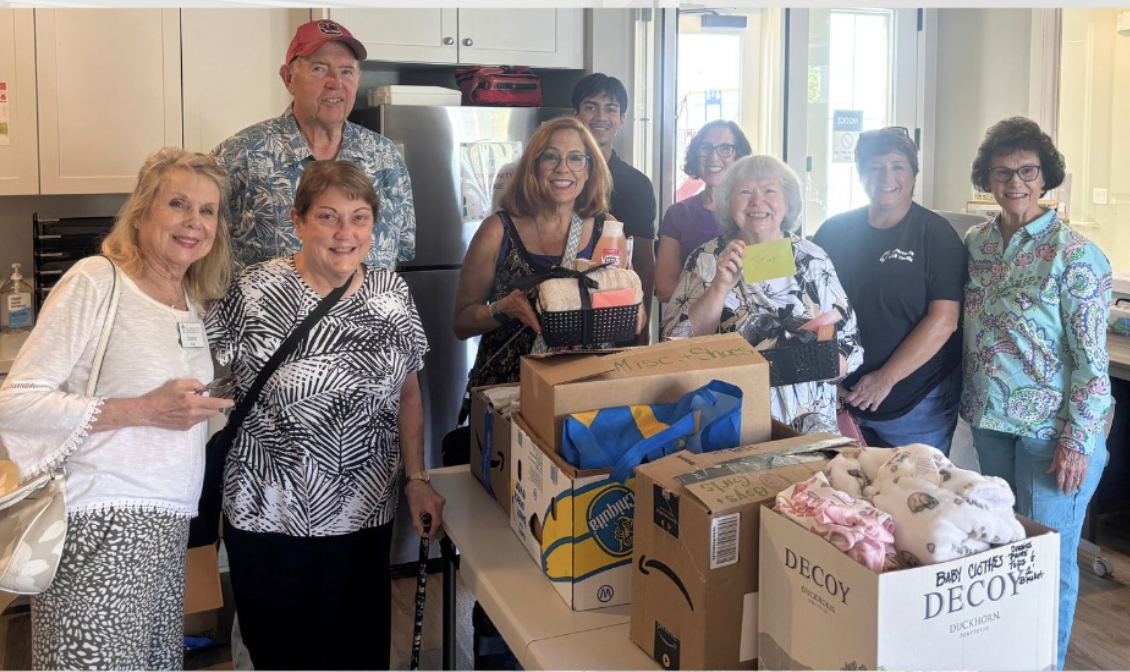
I learned to be more thoughtful about the visuals and captions I created, especially when protecting client confidentiality. I also found an interesting contrast in nonprofit storytelling: we might publicly recognize a donor or supporter to celebrate their generosity, while respecting a family's privacy can be just as important as recognizing the support they receive. Both involve appreciation, but they don't always require the same kind of visibility.
Being seen and being put on display are two very different things.
I used to hear the phrase "being a voice for the voiceless" as something positive. But these experiences have made me question what that really means. The people we serve already have voices, experiences, and stories of their own. Maybe our responsibility as communicators isn't always to speak for them, but to make sure their dignity isn't lost while we're trying to get others to listen. I still believe storytelling can inspire empathy and meaningful action, especially in nonprofit marketing. But I've come to appreciate that not every powerful story needs a personal photograph, an emotional testimonial, or every detail of someone's hardest moments.
Sometimes, the most thoughtful creative decision is knowing what to leave out. And before asking whether a post will attract attention, I want to ask myself something else: Would the person behind this story feel respected by the way I've chosen to tell it?